

Parasite Prevention: Stop the Itch Before It Starts
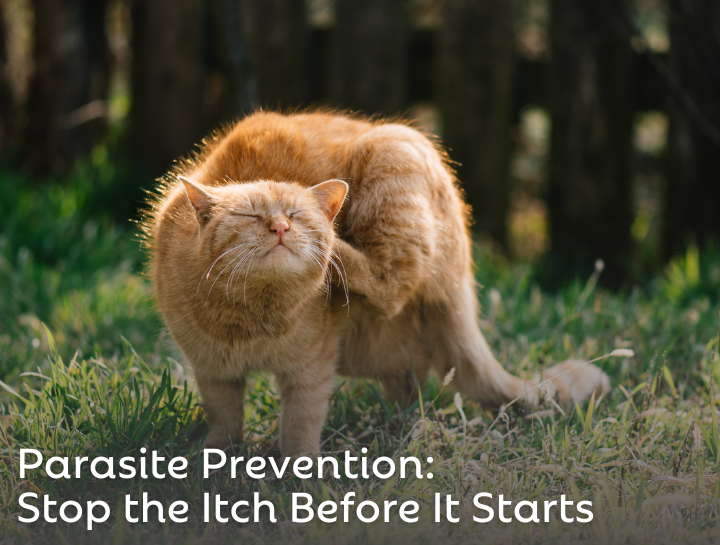
When the weather begins to warm, humans aren’t the only ones increasing their activity—parasites are too. March is Parasite Prevention Month, and while parasites might seem like a minor nuisance, they are often carriers of serious, life-threatening diseases. Here is how you can keep your cat safe and healthy this spring and all year long.
Regular Checkups
Many pet owners wonder why an annual exam is necessary if their pet seems healthy. One reason? Parasites are masters of disguise. During a wellness visit, our veterinarians perform specialized screenings that you cannot do at home:
-
Fecal Exams: We look for microscopic eggs that indicate the presence of hookworms, roundworms, or whipworms.
-
Blood Tests: A quick test can detect tick-borne illnesses before your cat shows symptoms.
-
Physical Inspection: We check difficult-to-see areas—like between toes and inside ears—for deep-seated ticks or skin changes caused by flea-bite dermatitis.
Common Misconceptions
Parasites are seasonal: Parasites don't follow a calendar. Many parasites can remain dormant in the soil or survive in the climate-controlled warmth of your home during winter. Maintaining a strict 12-month schedule ensures there are no gaps in coverage that parasites can exploit.
Indoor cats aren’t at risk: Even if your cat never steps a paw outside, mosquitoes (which carry heartworms) can fly through open doors, and you can track flea eggs into your home on your shoes.
Signs Your Cat Has Parasites
Cats often groom away evidence of fleas and are experts at hiding discomfort, so keep an eye on your cat’s physical and behavioral cues that could indicate they have a parasitic guest. Whether it's an external pest clinging to their fur or an internal stowaway affecting their digestion, here are the key signs that your cat might be hosting a parasite.
External Parasites (Fleas, Ticks, Mites)
-
Excessive grooming
-
Increased licking or biting, especially near the base of the tail
-
Dark, crumbly debris inside the ear canal
-
Black specks in the fur or small, firm bumps
-
Twitching skin along their back
Internal Parasites (Worms)
-
Loose stools
-
Feces with “rice-like” segments (tapeworms)
-
Feces with “spaghetti-like” strands (roundworms)
-
Bloated abdomen, particularly in kittens
-
Persistent, wet cough or wheezing
-
Losing weight despite increased appetite
Treatment and Prevention
While some parasites may be easy to spot, many work silently under the surface. If a parasite is detected, don’t worry—most infestations are treatable. To handle these uninvited guests, our team will typically start with diagnostic testing to look for signs of eggs, worms, or diseases in your cat’s stool or blood. We can then prescribe targeted dewormers, and/or medical-grade topicals and oral tablets.
But remember, prevention is key. Today’s preventatives are safe, effective, and easier to administer than ever. However, it is critical to never use canine parasite products on a cat. Many dog medications contain permethrins, which are highly toxic to felines. Depending on your cat’s lifestyle, medicines can come in the form of monthly chews, topical solutions, and injectables.
At Pine Lakes Animal Hospital, we want to help you prevent the itch before it starts. Call us at (386) 447-7381 to schedule your cat’s parasite screening and stock up on preventatives today!